40 nm LiDAR AI SoC
2 TOPS/W · IEEE TCAS-II
Depth-completion neural network accelerator SoC implemented in 40 nm CMOS. Led full design flow from RTL implementation to FPGA validation, tape-out, and post-silicon characterization.
Postdoctoral Researcher · Electrical & Computer Engineering
I build energy-efficient computing systems across the full stack, from algorithms and architecture to RTL, ASIC implementation, FPGA validation, and post-silicon characterization.
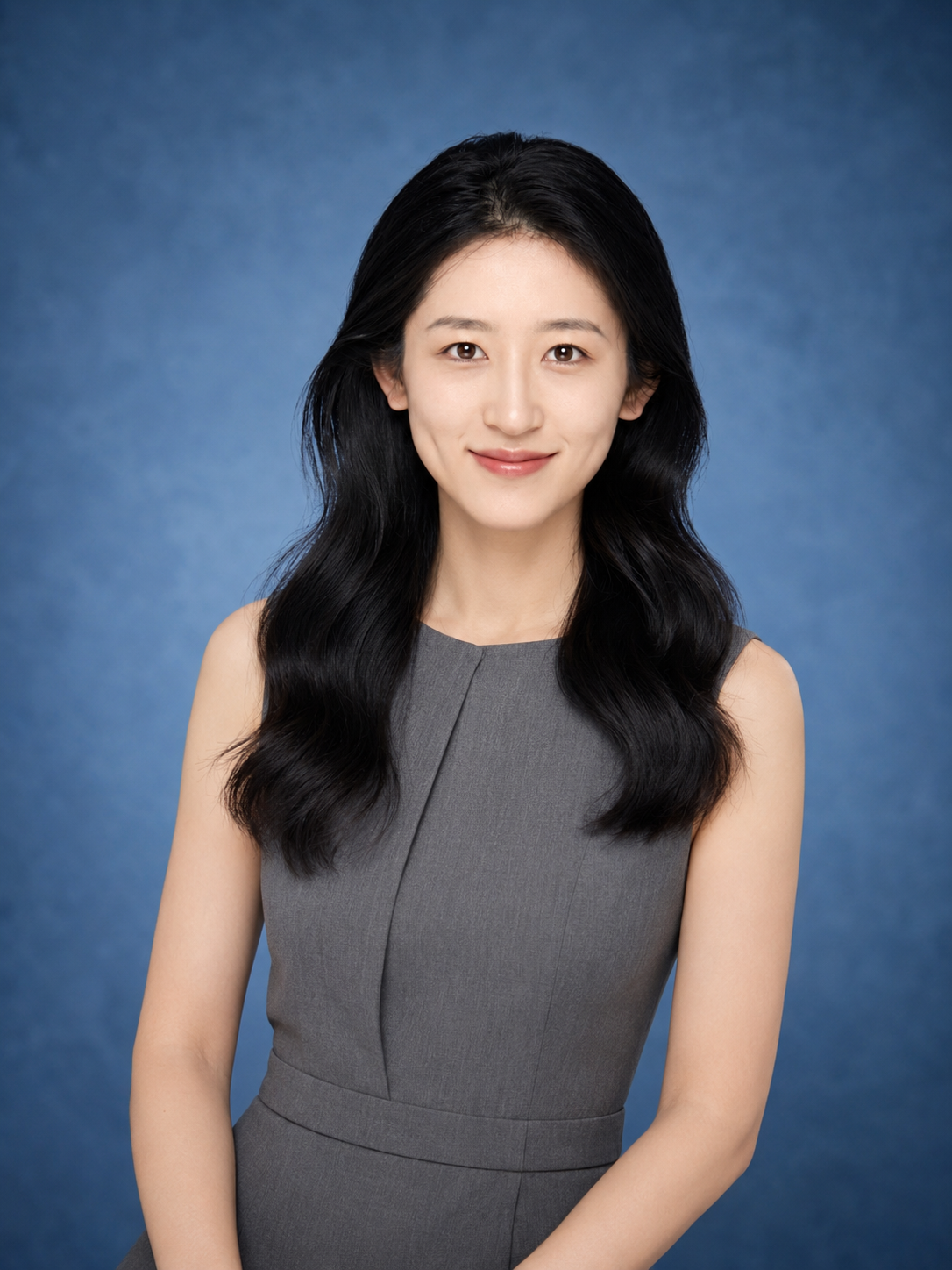
Postdoctoral Researcher
Washington State University
Former Postdoctoral Researcher, UW–Madison
Ph.D., Microelectronics, Fudan University
Dec. 2025 – Present
Research focus: thermal-aware computer architecture, power delivery optimization, and chiplet-based AI systems for next-generation heterogeneous computing platforms.
Developing efficient hardware architectures for scalable LLM inference on heterogeneous chiplet platforms.
Feb. 2025 – Dec. 2025
Proposed LEXI, a lossless exponent coding architecture that reduces inter-chiplet communication overhead for hybrid LLM inference while preserving numerical accuracy.
Designed eMamba, an efficient hardware accelerator architecture for Mamba models on edge platforms, optimizing memory access, computation efficiency, and system throughput.
Aug. 2023 – Feb. 2025
Developed high-frame-rate LiDAR imaging systems integrating metalens optics, dToF sensing, event cameras, and edge AI hardware.
Ph.D. in Microelectronics · 2018 – 2023
Dissertation research on edge-computing SoCs, neural network accelerators, and dToF LiDAR systems.
B.Eng. in Electrical & Electronic Engineering · 2014 – 2018
2 TOPS/W · IEEE TCAS-II
Depth-completion neural network accelerator SoC implemented in 40 nm CMOS. Led full design flow from RTL implementation to FPGA validation, tape-out, and post-silicon characterization.
State-Space Model Acceleration
Designed a domain-specific hardware accelerator for Mamba state-space models through RTL design, physical implementation, timing closure, and 22 nm ASIC implementation.
128×80 SPAD · Addressable VCSEL
Co-developed adaptive beam-steering LiDAR hardware with on-chip and edge AI support for intelligent sensing and sensor-fusion systems.
Mentored graduate students in RTL design methodology, advanced EDA workflows, FPGA verification, and post-silicon bring-up protocols.